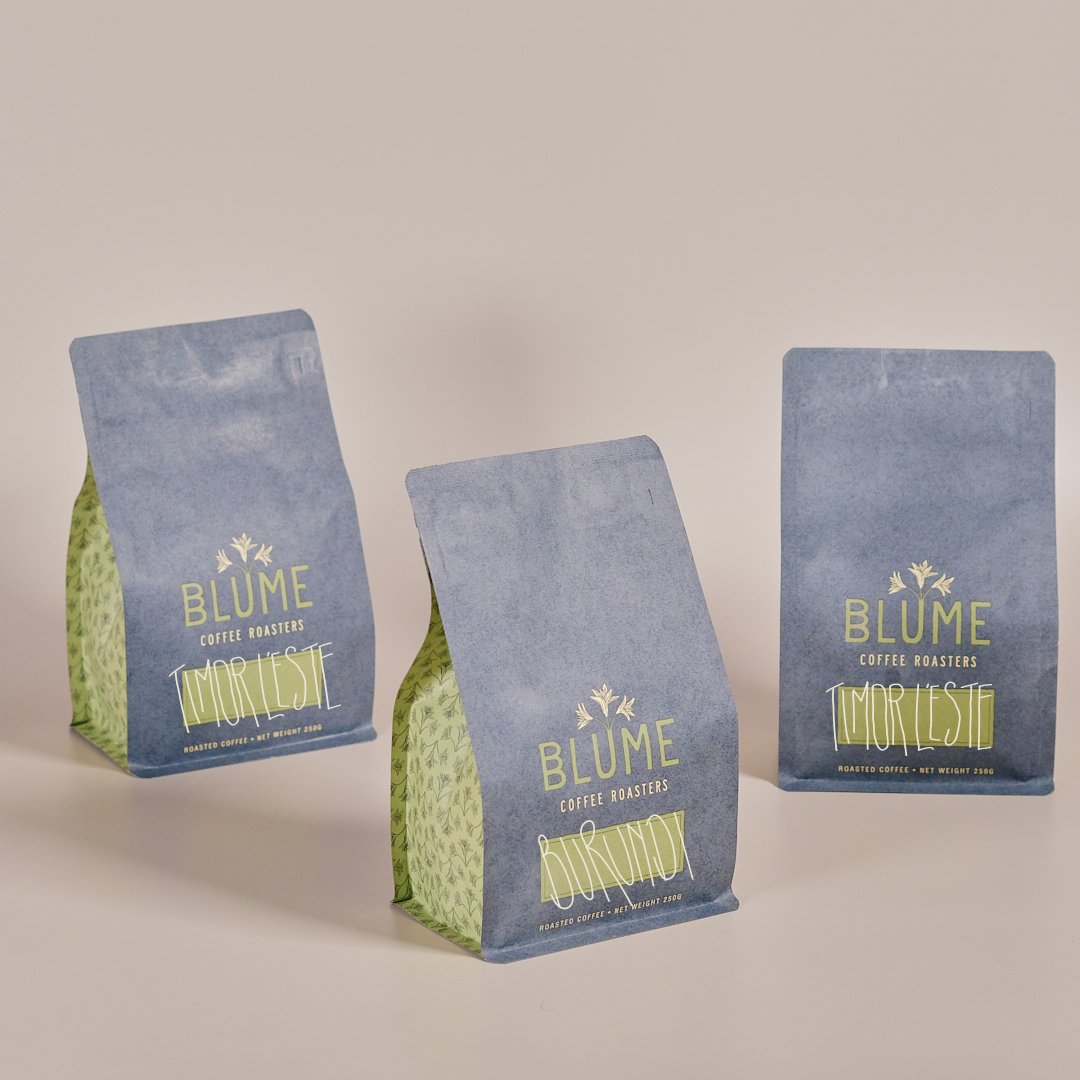
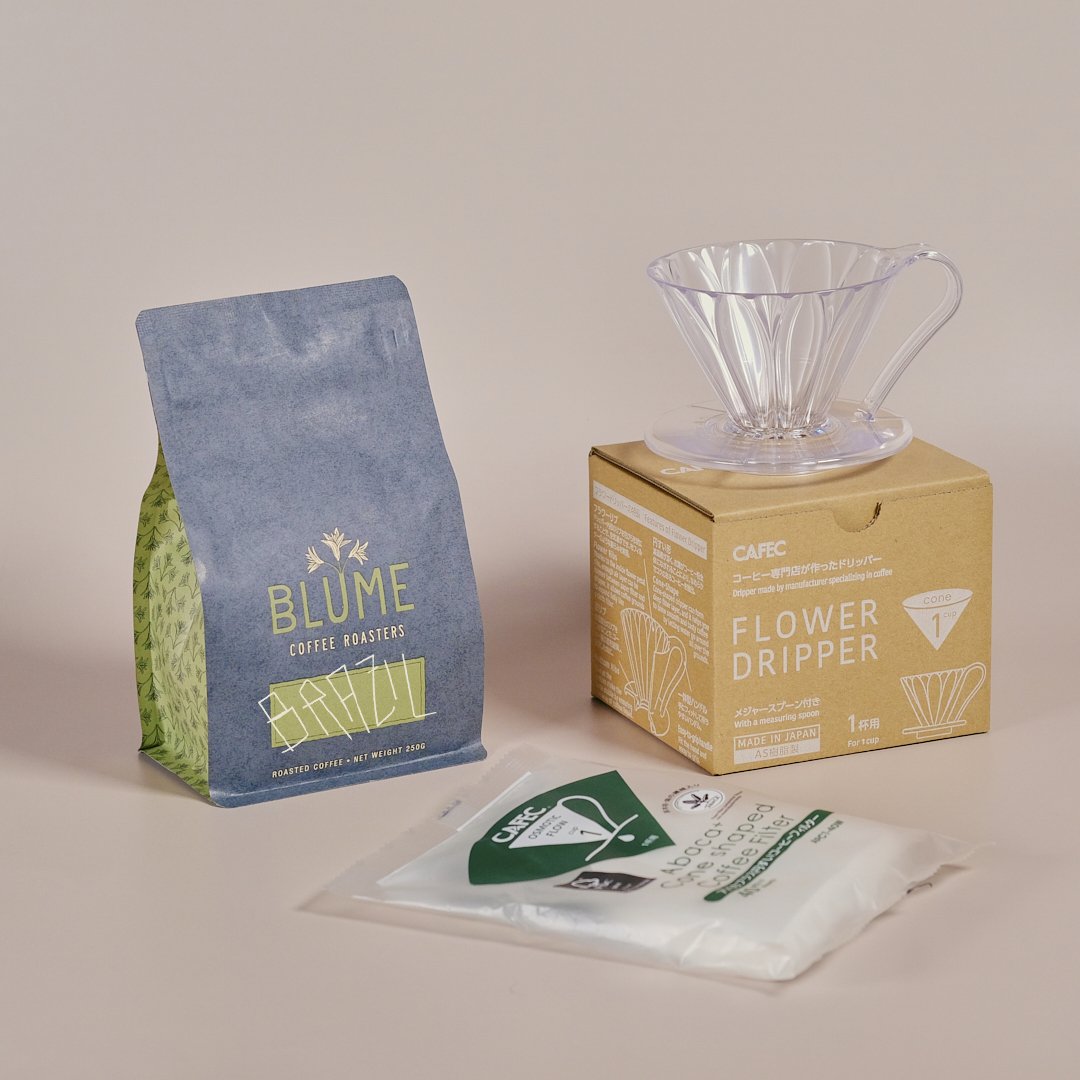
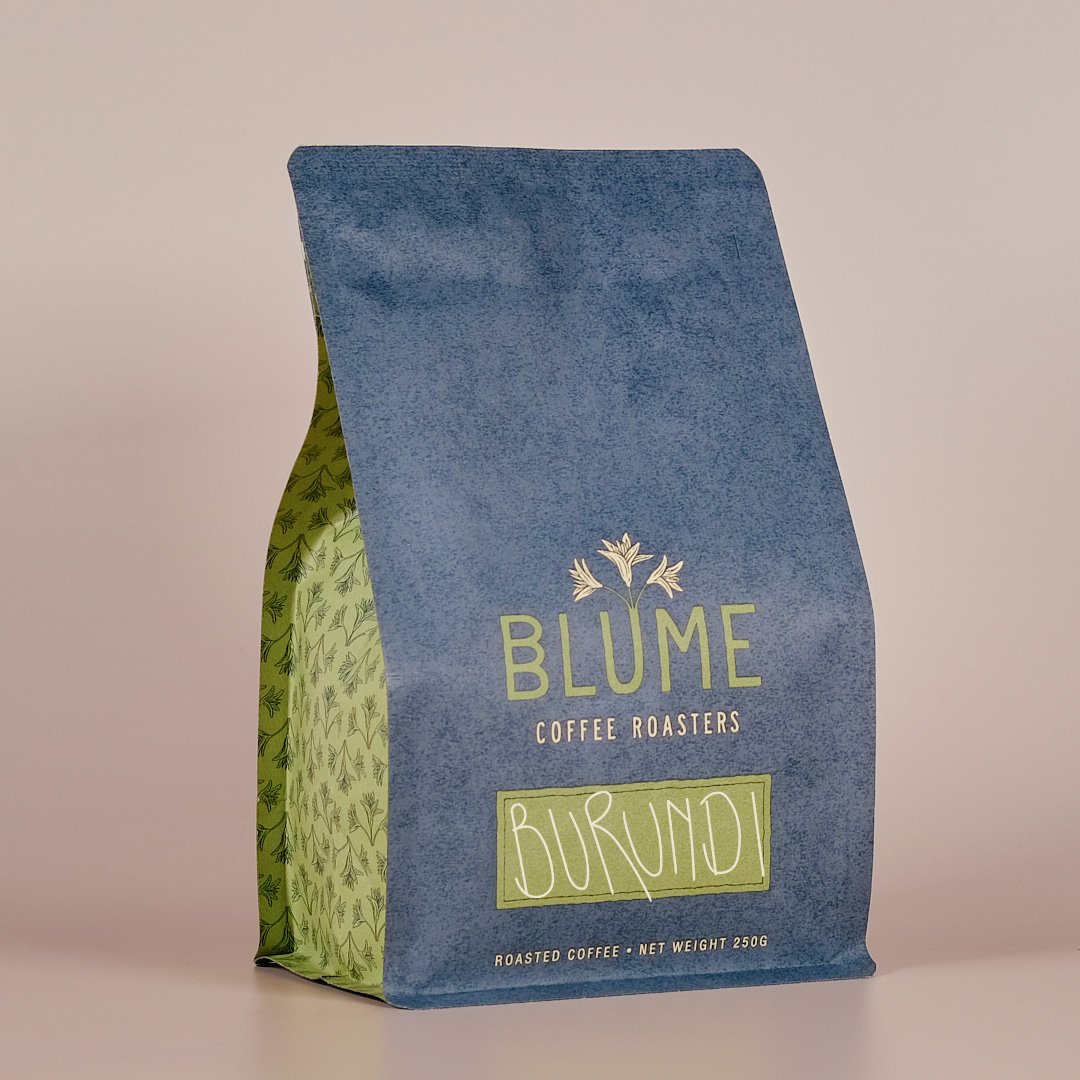
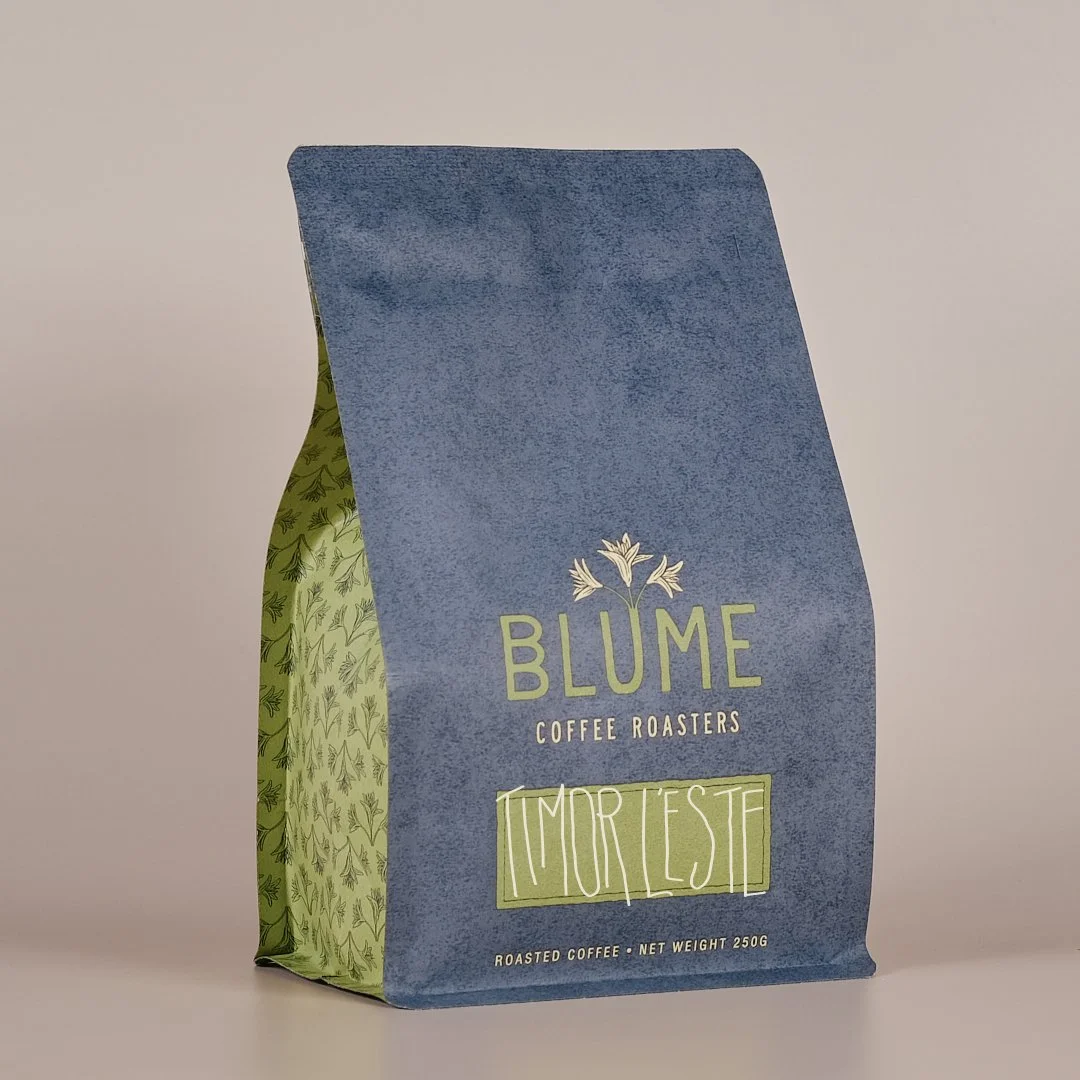
 Image 1 of 2
 Image 2 of 2
Filter: Cherry · Orange · Honey · Almond · Blossom
Espresso: Smooth · Mandarin · Caramel · Almond
Variety/Species: Híbrido de Timor
Process: Washed
Region: Lequidoe, Alieu
Exporter/Importer: Orijem de Timor
Our third lot, ever, from Timor-Leste, and we are just as excited about this one. Getting to showcase both the diversity and the similarities of the coffees produced by our new friends Gobie and Daniel, with their team Estafania and Nina, is a true honour and a thrilling process.
Together they run a producer collective, wet and dry mill, coffee lab and export company specialising in agricultural development, high-grade coffee production and boundary-pushing fermentation and processing. They call this Orijem Timor.
When I first met Gobie, two and a half years ago, he showed me this fully washed lot as a base to be used with other coffees in a blend. I pushed back immediately. The coffee here may not be a boundary-pushing ferment that Gobie is so masterful at guiding — but it is a stunning coffee of place, elegance and structure. Absolutely capable of standing on its own two feet and presenting itself to the world with grace and pride.
Timor-Leste is not just an incredibly beautiful place, our closest neighbour and one of the world's newest nations, it also boasts a genetically distinct, textbook impossibility of a coffee species that spontaneously appeared here early last century. Híbrido de Timor. A genetic hybrid of Arabica and Robusta, it cannot be bred or cultivated in a lab or research garden. Exhibiting the high quality of Arabica alongside the disease and drought resistance of Robusta, it has been used the world over to fortify local varieties and stabilise global production.
A truly local species with massive global influence. Talk about a coffee that speaks of place.
Now for how the fruit becomes a seed; so we can roast it and you can brew it. What we call processing is, at its core, fermentation. Gobie happens to be an expert in this field, having established the first distillery in Timor-Leste.
After careful hand-harvesting of ripe red cherries, the fruit is floated to remove any defective or insect-damaged cherries. They are then pulped to remove the skin and some of the fruit pulp, before undergoing a controlled underwater fermentation for 20–40 hours. This process enhances the acidity and structure of the coffee while retaining its varietal and environmental characteristics.
The coffees are processed at Orijem Timor's wet mill, Centru Kafe, in the municipality of Aileu. Built in 2023, it is the first environmentally sustainable coffee mill in Timor-Leste — developed in collaboration with the Australian Government. It features a built-in wastewater treatment facility, a biogas harvester and a seedling nursery. This year, ahead of the 2026 harvest, Centru Kafe converted its primary energy source to solar.
Híbrido grown in Alieu consistently expresses sweet fruit, deep sweetness and vibrant aromas. Processed through a controlled washing station in the hands of this team, those fruits show up as bright cherries and oranges, honeyed sweetness, and the gentle aromas of almond and blossom — all held together by a backbone of sparkling acidity.
These coffees just keep surprising us.
Filter: Cherry · Orange · Honey · Almond · Blossom
Espresso: Smooth · Mandarin · Caramel · Almond
Variety/Species: Híbrido de Timor
Process: Washed
Region: Lequidoe, Alieu
Exporter/Importer: Orijem de Timor
Our third lot, ever, from Timor-Leste, and we are just as excited about this one. Getting to showcase both the diversity and the similarities of the coffees produced by our new friends Gobie and Daniel, with their team Estafania and Nina, is a true honour and a thrilling process.
Together they run a producer collective, wet and dry mill, coffee lab and export company specialising in agricultural development, high-grade coffee production and boundary-pushing fermentation and processing. They call this Orijem Timor.
When I first met Gobie, two and a half years ago, he showed me this fully washed lot as a base to be used with other coffees in a blend. I pushed back immediately. The coffee here may not be a boundary-pushing ferment that Gobie is so masterful at guiding — but it is a stunning coffee of place, elegance and structure. Absolutely capable of standing on its own two feet and presenting itself to the world with grace and pride.
Timor-Leste is not just an incredibly beautiful place, our closest neighbour and one of the world's newest nations, it also boasts a genetically distinct, textbook impossibility of a coffee species that spontaneously appeared here early last century. Híbrido de Timor. A genetic hybrid of Arabica and Robusta, it cannot be bred or cultivated in a lab or research garden. Exhibiting the high quality of Arabica alongside the disease and drought resistance of Robusta, it has been used the world over to fortify local varieties and stabilise global production.
A truly local species with massive global influence. Talk about a coffee that speaks of place.
Now for how the fruit becomes a seed; so we can roast it and you can brew it. What we call processing is, at its core, fermentation. Gobie happens to be an expert in this field, having established the first distillery in Timor-Leste.
After careful hand-harvesting of ripe red cherries, the fruit is floated to remove any defective or insect-damaged cherries. They are then pulped to remove the skin and some of the fruit pulp, before undergoing a controlled underwater fermentation for 20–40 hours. This process enhances the acidity and structure of the coffee while retaining its varietal and environmental characteristics.
The coffees are processed at Orijem Timor's wet mill, Centru Kafe, in the municipality of Aileu. Built in 2023, it is the first environmentally sustainable coffee mill in Timor-Leste — developed in collaboration with the Australian Government. It features a built-in wastewater treatment facility, a biogas harvester and a seedling nursery. This year, ahead of the 2026 harvest, Centru Kafe converted its primary energy source to solar.
Híbrido grown in Alieu consistently expresses sweet fruit, deep sweetness and vibrant aromas. Processed through a controlled washing station in the hands of this team, those fruits show up as bright cherries and oranges, honeyed sweetness, and the gentle aromas of almond and blossom — all held together by a backbone of sparkling acidity.
These coffees just keep surprising us.